Turn your team's work into stories that move people to act.
We facilitate workshops for mission-driven teams that need to communicate complex ideas, evidence and impact more clearly.
Good work loses ground when people cannot see what it changes
Your team may be delivering important programmes, gathering evidence, meeting communities, and producing reports. But the meaning can disappear between the field and the people who need to understand it.
When teams do not share a clear way to tell the story of their work:
- Reports carry the numbers but lose the human meaning.
- Strong field stories are missed or documented without enough care.
- Different departments describe the same organisation in different ways.
- Presentations become heavy with information and difficult to follow.
- The communications team spends its time rewriting everyone else's work.
- Funders, partners, leadership, and communities struggle to see what the work makes possible.
We help your team close that gap. Not by teaching them to make everything dramatic, but by helping them find the story, protect its truth, and communicate it clearly.

The people closest to the work should know how to communicate it
Team Training is for organisations working across health, education, gender, livelihoods, technology, climate, community development, and social change.
It can bring together:
- Communications and marketing teams
- Programme and project teams
- Monitoring, evaluation, research, and learning teams
- Fundraising and partnerships teams
- Field officers and community engagement teams
- Leadership teams preparing to present, pitch, or report
The programme is especially useful when your organisation is preparing for a campaign, donor report, pitch, conference, strategy launch, or a new phase of work.
Storytelling is the foundation. We build the other skills around it
Every programme starts with your goals. We can combine the areas your team needs rather than make them sit through a generic course.
Storytelling for impact
Find the story inside programmes, evidence, and lived experience. Shape it for the people who need to understand and act on it.
Field documentation
Help programme and field teams recognise useful stories, interview with care, gather the right details, and move material from the field into communication.
Writing, messaging, and content
Turn complex work into clearer reports, articles, case studies, captions, campaign messages, and calls to action.
Photography and video
Use images with greater intention. Plan, capture, select, and sequence photographs and video that support the truth of the story.
Presentations and public speaking
Build presentations people can follow. Help speakers move from dense information to a clear argument, evidence, and action.
AI for communicators
Use AI to think, organise, and draft with better judgement. Know when to fact-check, protect sensitive information, or not use it at all.
Analytics and reporting
Choose the numbers that matter, understand what worked, and turn performance data into reports leadership and partners can use.
Crisis communication
Verify information, prepare holding statements, and help the team respond with one clear voice when facts are still developing.
Not sure which areas belong in your programme? That is what the scoping conversation is for.
We begin with where your team is now.
Assess
We speak with you about the organisation, the team, and the communication problems showing up in the work. Where useful, we run a short pre-training assessment to understand confidence and skill levels.
Equip
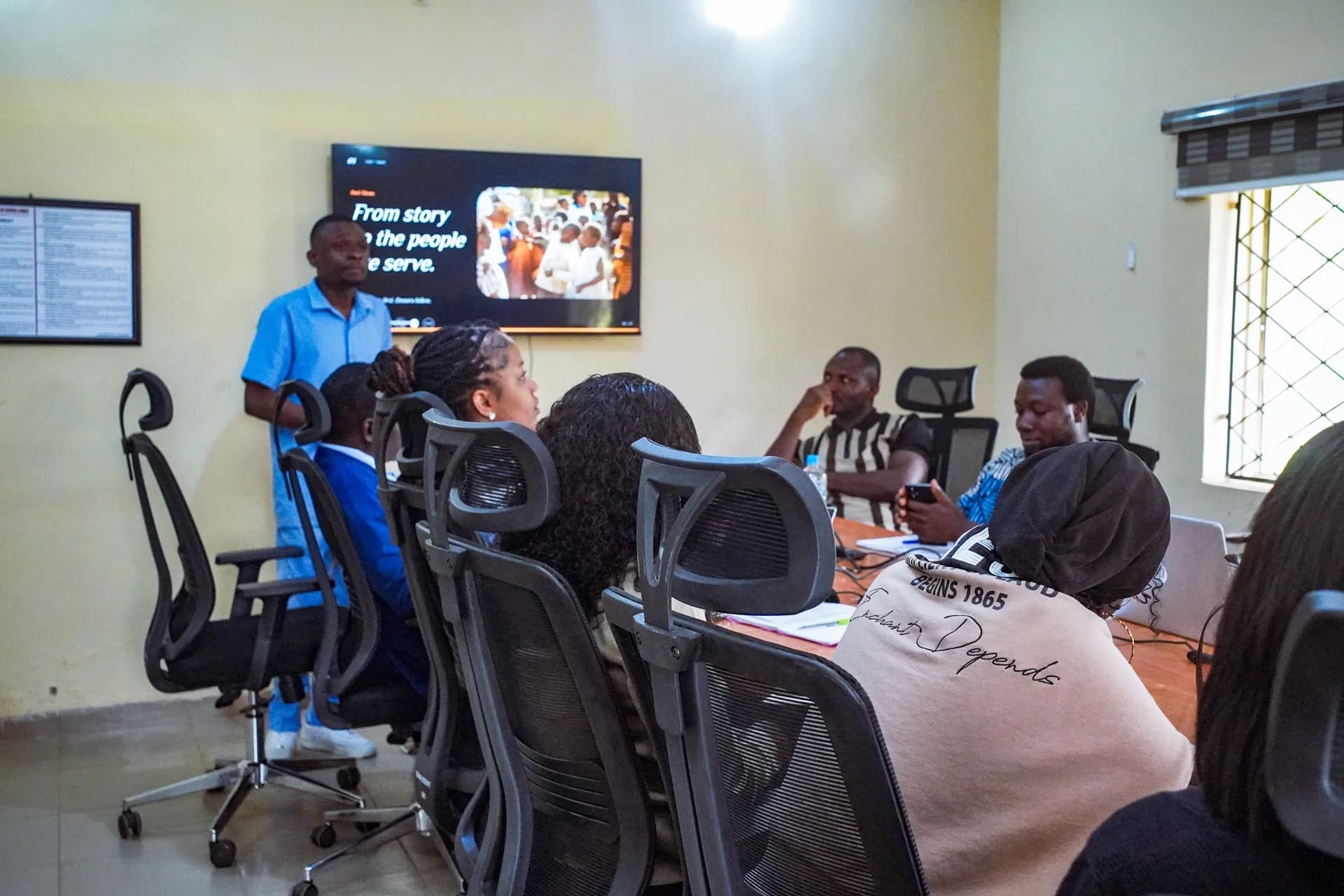
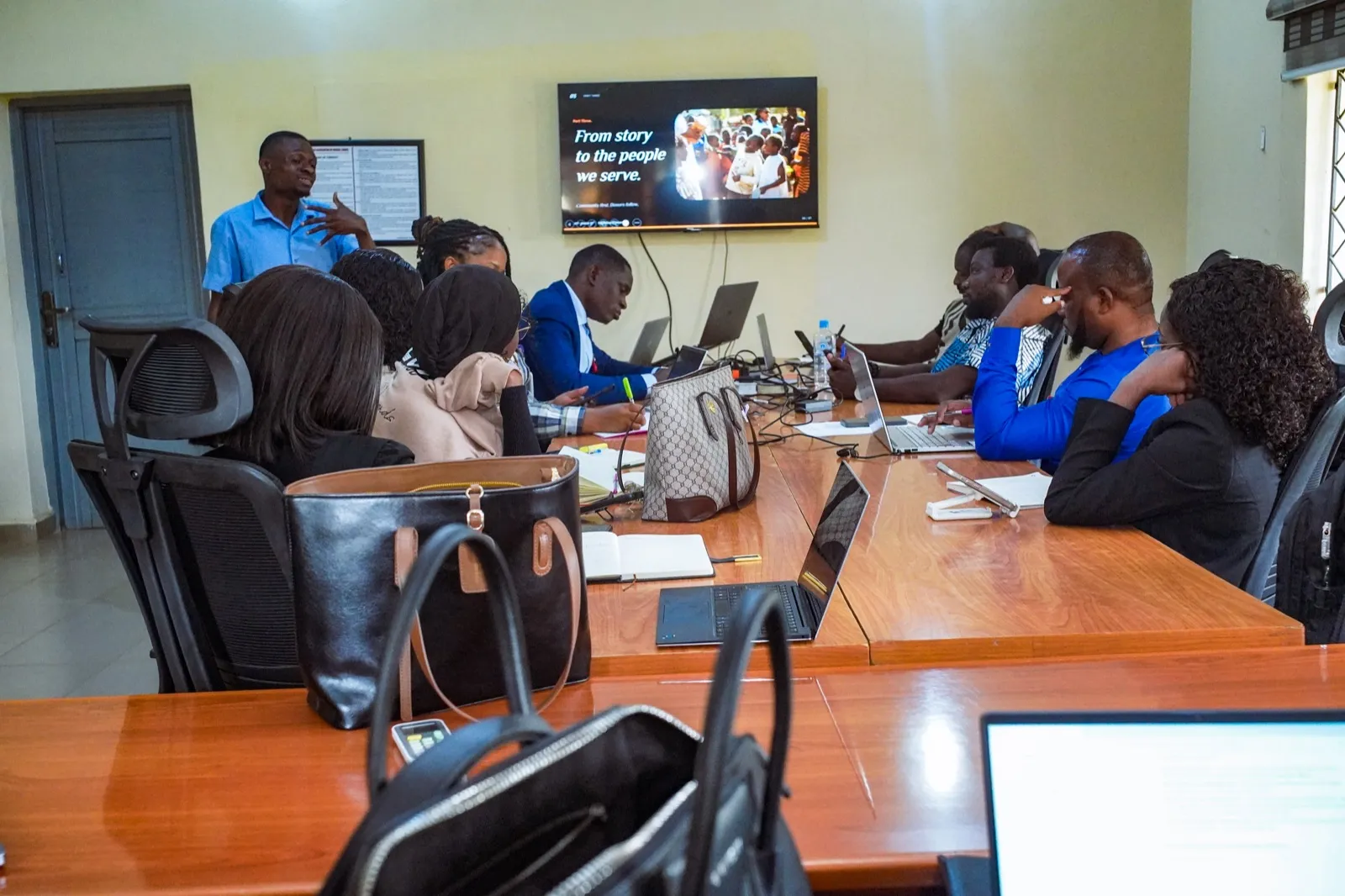
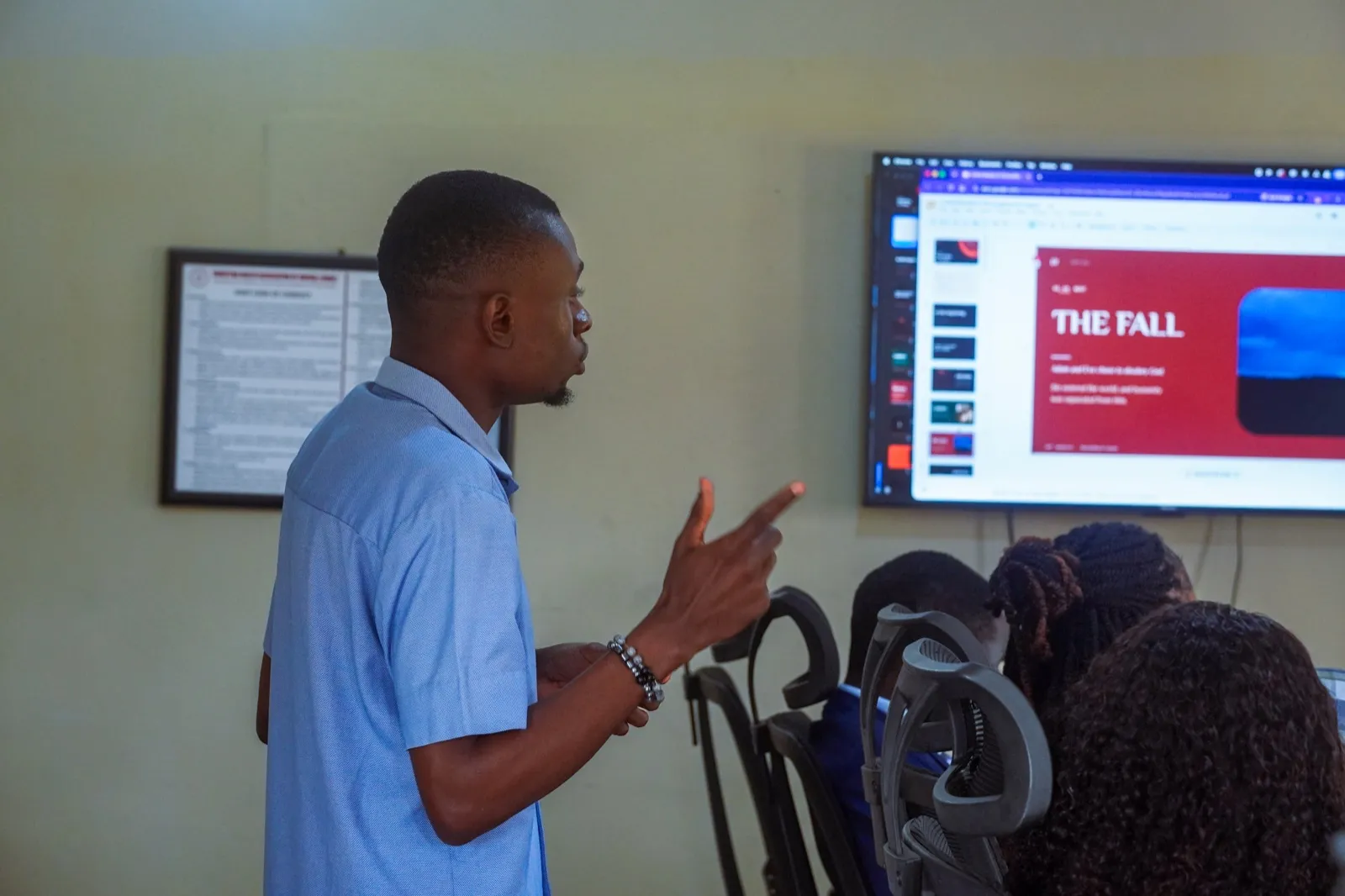
We shape the sessions around the gaps we find. Training is live, hands-on, and grounded in examples from your organisation and sector.
Apply
Your team works on real material during the training: a field story, report, presentation, campaign, interview, content plan, or another live piece of work.
Embed
The team leaves with practical frameworks, templates, and a shared way of working. Where agreed, we add a support period or follow-up review to help the learning settle into everyday practice.
The workshop ends. The capability stays with the team.
Depending on the programme we build, your team can leave with:
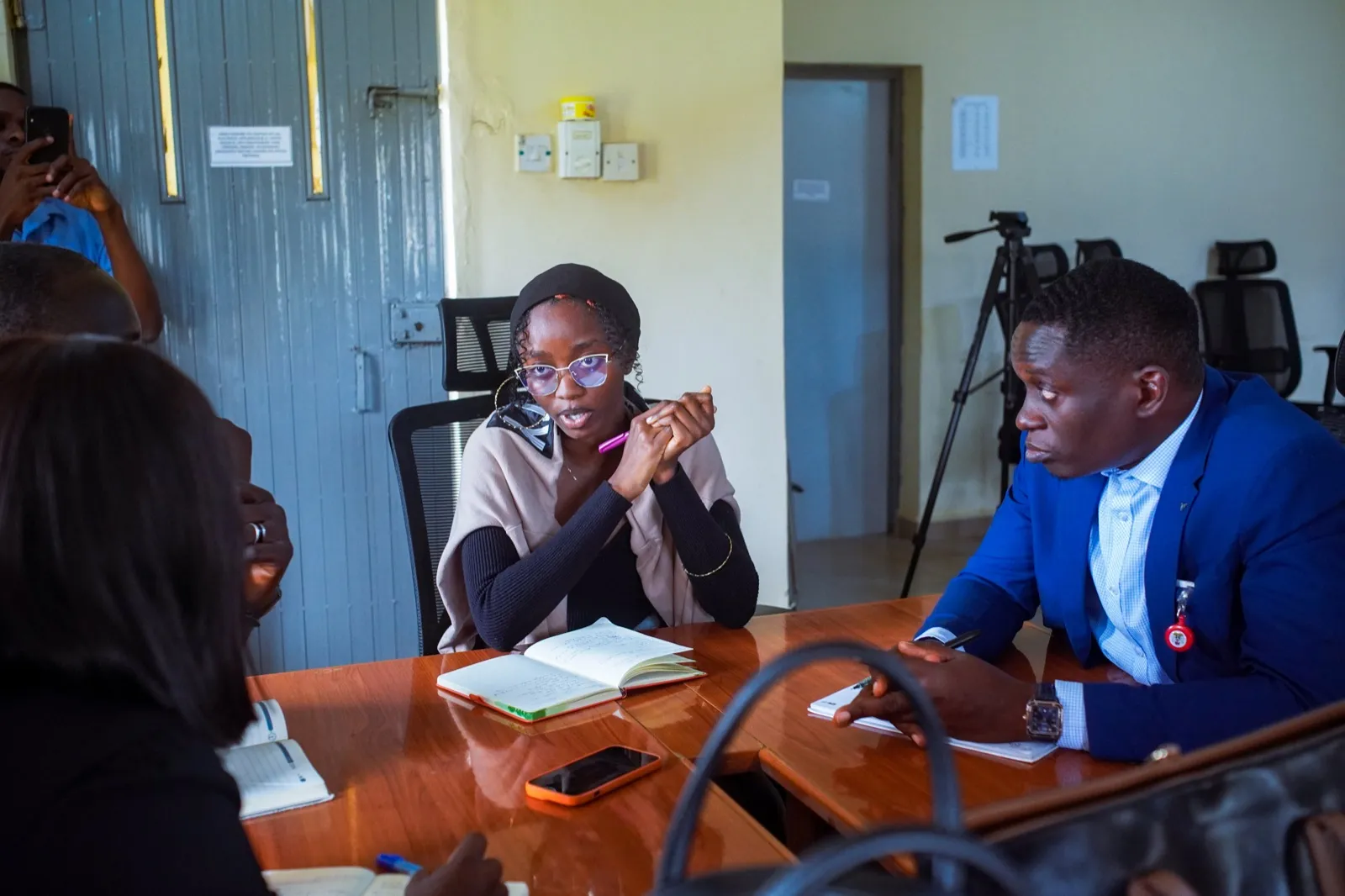
- A shared language for finding and shaping stories.
- Clearer communication across programmes, leadership, and communications.
- Stronger reports, presentations, campaigns, and field stories.
- Practical frameworks the team can use the next morning.
- Templates and tools built around the organisation's own work.
- Greater confidence in choosing what to say, who needs to hear it, and how to tell it responsibly.
- Less dependence on one communications person or an outside agency to make every story work.
We agree the intended outcomes before the training, so the programme is tied to what your organisation needs the team to do differently.
We understand the story and the sector around it
Journeying Storyteller works at the meeting point of strategic communication, documentary practice, and the realities of mission-driven work.
We understand that an impact story is not simply content. It may carry a community's experience, programme evidence, a funder's questions, safeguarding concerns, and the organisation's credibility at the same time.
That is why our training connects craft with judgement. Teams learn how to communicate clearly, and how to handle the people, evidence, and responsibility inside the story.
Journeying Storyteller training
Christian Health Association of Nigeria
A tailored communications programme covering storytelling for impact, field-to-feed systems, content, AI, analytics, and crisis communication.
Iyanuoluwa's wider training and professional experience
CyberSafe Foundation
Digital-skills facilitation on DigiGirls, a programme supported by UK Aid, contributing to the training of more than 2,400 girls across Nigeria.
Jos Business School and nHub Consortium
Training and mentoring for more than 80 participants through the Digital Gateway IDEAS programme.
World Bank-supported education programme
Co-creation of a digital-marketing curriculum connected to the Federal Ministry of Education, with supervision of more than 80 student capstone projects.
Thinkhub
Creative leadership and practical mentorship across video, design, content, and digital marketing.
Iyanuoluwa's experience spans work delivered through Journeying Storyteller, previous professional roles, and partner-led programmes.
Iyanuoluwa Oluborode teaches from work he has done himself
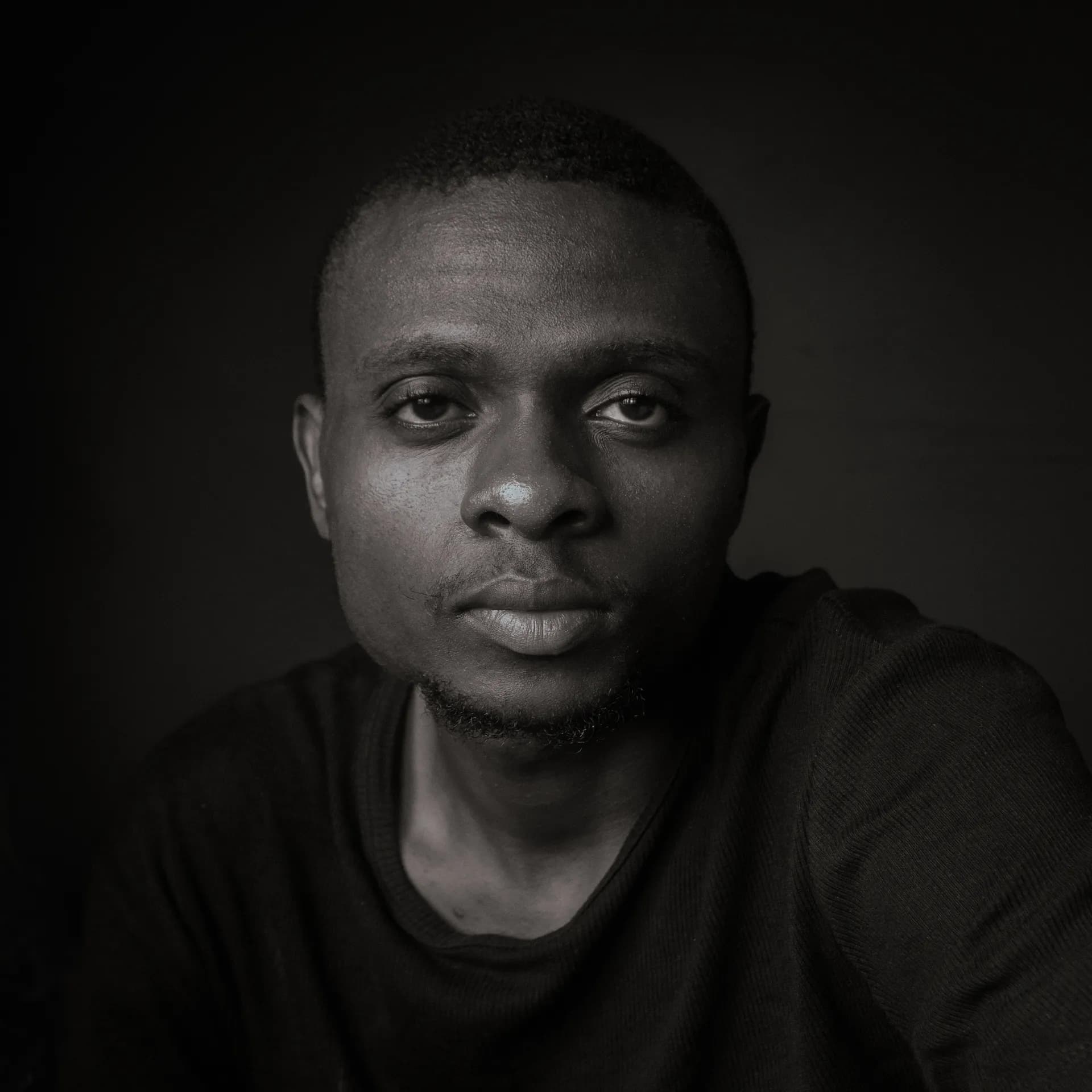
Iyanuoluwa Oluborode
Creative Director, Journeying Storyteller
NSQ Level 3 certified digital-skills trainer
- people trained
- 2100+
- programmes documented
- 50+
Iyanuoluwa Oluborode is the Creative Director of Journeying Storyteller, a filmmaker, photographer, strategic communicator, and certified digital-skills trainer.
His work spans storytelling, documentary production, content strategy, training, and communication for public-health, education, technology, and social-impact programmes.
He is an NSQ Level 3 certified digital-skills trainer, certified by the Computer Professionals Registration Council of Nigeria (CPN).
His teaching is practical and direct. The team does not spend the day listening to theory. They work through real communication problems, make something, receive feedback, and leave knowing how to repeat the process.
Practical enough to use immediately.
“Iyanuoluwa raised the standard for our facilitation. He helped turn the IDEAS project into a space where digital skills felt accessible, not intimidating.”
“Digital marketing was complex, but Iyanuoluwa simplified it with storytelling to make it interesting and easy to grasp. His tutoring methods were the highlight of the whole training for me.”
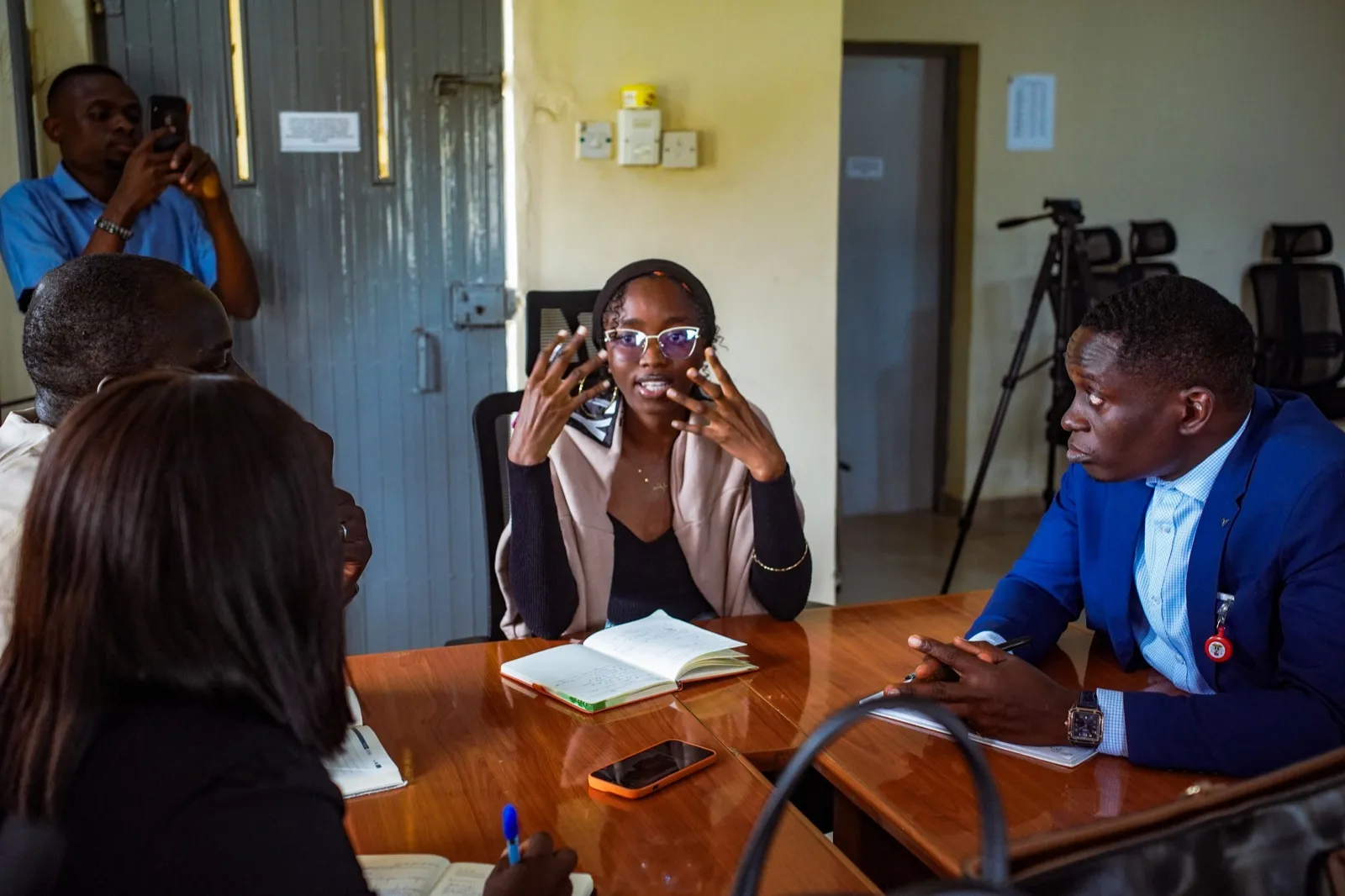
One workshop or a programme that goes deeper.
Training can be delivered:
- Online or in person
- As a focused half-day workshop
- As a full-day workshop
- Across two or more sessions
- As a wider programme with assessment, tools, and follow-up support
Team size, format, length, location, and supporting materials are agreed after the scoping conversation. We then send a proposal and quote based on the programme your organisation needs.
What organisations ask before starting
Frequently asked questions
Tell us what your team needs to do better
You do not need to design the programme before contacting us. Tell us about the team, the work, and the change you want to see. We will help you define the right training.